
Veneers vs. Bonding: Which Is Better for Your Smile?
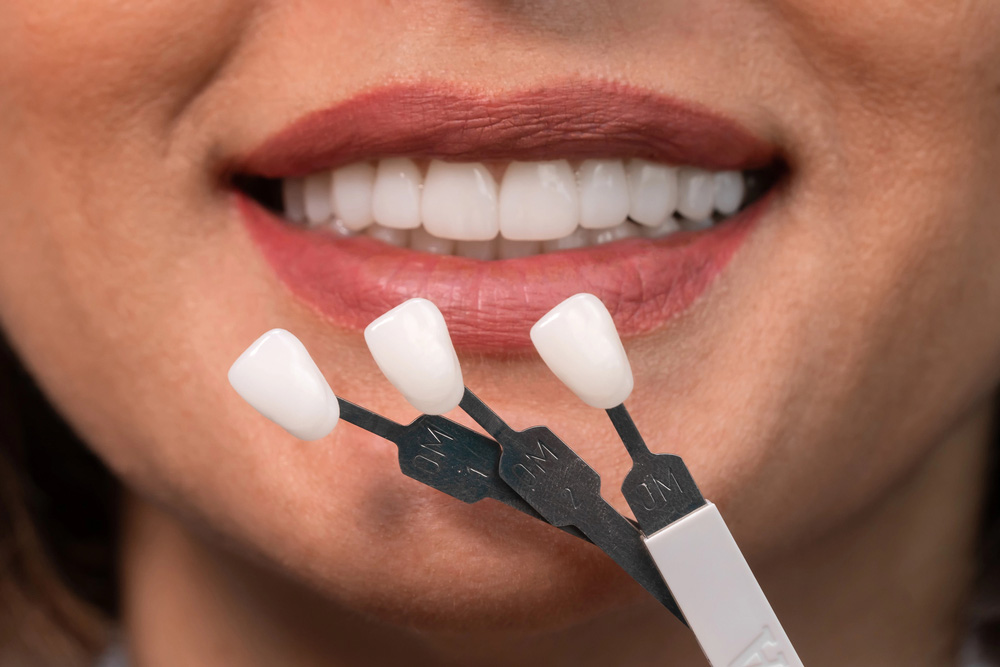
At New Family Dental, our team offers quality dental veneers and composite bonding if you are looking for a treatment that will improve your appearance and correct teeth that are chipped, stained, gapped, or misshapen. Dental veneers use thin porcelain shells that are bonded to the front surfaces of the teeth, while dental bonding is a method that uses a tooth-colored resin shaped into the tooth directly.
Both cosmetic treatments can result in a dramatic smile improvement, but there are a few differences in how the treatment is completed and when they should be used. Our dental team is here to help you choose the optimal treatment for your smile needs.
How Each Treatment Works: Veneers vs. Bonding
The ultimate goal is the same with both dental veneers and bonding: improve the overall appearance of your smile by correcting minor or moderate cosmetic concerns. Here’s a side-by-side comparison of these two treatment options:
- Porcelain Veneers: These thin shells are custom-made in a lab using modern dental technology, with a precise design so they fit over the surfaces of your teeth perfectly. The treatment requires that a small amount of enamel be removed from your teeth before the veneers can be placed, which means that it’s a permanent (and irreversible) treatment.
- Dental Bonding: Composite resin is placed on the tooth and shaped by hand as a targeted tooth repair. If dental bonding covers the entire front surface of the tooth for cosmetic improvements, it is known as composite veneers.
The main difference between veneers vs. bonding is that veneers are fabricated to match your teeth, then secured in place to cover the visible surfaces of the teeth. On the other hand, bonding can be completed in one appointment and involves a freehand sculpting of the tooth-colored resin.
Comparing Veneers and Bonding Side by Side
Your personal smile goals need to be evaluated when determining whether veneers or dental bonding is right for your unique needs. Our dental team will complete a thorough evaluation and discuss your preferences, and then we can provide a personalized treatment plan to improve your smile.
As you are choosing between teeth veneers and bonding, there are several different factors and outcomes that might sway this important decision:
- Durability: When you are proactive about good oral health habits to protect your porcelain veneers, they can last for 10-20 years before replacement is needed. On the other hand, composite bonding has a shorter lifespan and typically only lasts between 5-7 years before they start to look stained or worn.
- Appearance: Since veneers are often made with porcelain materials, they mimic the natural appearance of tooth enamel in color and translucency. Porcelain veneers are also stain-resistant, so they maintain this natural appearance for many years. Bonding can create good results, but the materials don’t hold up as well over time.
- Stain Resistance: Porcelain is a better choice if you want to maintain a bright smile because it is more resistant to discoloration from coffee, tea, wine, and other foods that you are eating on a regular basis.
- Cost: If you are on a tight budget, then dental bonding is often the best choice because it’s cheaper per tooth compared to veneers. But also consider the long-term costs since future expenses might be needed for replacements and repairs.
- Reversibility: One of the benefits of dental bonding is that it preserves more of the natural tooth structure, which means that the bonding can be removed or changed as needed. On the other hand, veneer placement requires the removal of enamel, which means that the treatment can’t be reversed.
Which Option Is Right for You?
Every patient is unique, which is why we don’t have a one-size-fits-all treatment plan for you. Instead, the ideal solution is to schedule a consultation with our experienced dental team to learn more about your options.
We often recommend dental bonding for patients who have minor chips or discoloration that can’t be corrected with teeth whitening. Bonding is a great solution if you have a tighter budget and want to improve your appearance without damaging your teeth with enamel removal.
There are times when dental veneers make sense, especially for patients who have multiple cosmetic concerns that they want to correct with one treatment. Veneers require higher upfront costs, but they can provide a more drastic improvement in your smile, and they are longer-lasting compared to dental bonding.
It’s also important to note that these cosmetic tooth enhancement treatments are suited for patients with healthy teeth and gums. If you have tooth decay or gum disease, then it’s important to treat these dental concerns first before moving forward with cosmetic treatments.
Customized Cosmetic Treatments for Your Smile Enhancements
The possibilities are limitless when you choose a modern dental clinic for your smile enhancements. Our team at New Family Dental is here to help you create the smile you’ve always dreamed about. Reach out to us to learn more about available cosmetic dental treatments, including veneers, bonding, and more.
Frequently Asked Questions About Veneers and Bonding
Can veneers fix gaps between teeth?
Yes, if you have minor gaps between your teeth, then dental veneers can be used to close those gaps without orthodontic treatments. Small or moderate gaps can be treated with veneers, but more significant misalignments typically require braces or clear aligners.
Do veneers actually look real?
We use modern technology to create natural-looking veneers that blend seamlessly with your smile. In fact, the high-quality porcelain is virtually indistinguishable from your natural teeth. Every patient receives a customized treatment to ensure the translucency, texture, and color look as real as possible.
How do I care for veneers after placement?
Your oral hygiene habits shouldn’t change after your veneers are placed. You should brush and floss your teeth like normal, using a non-abrasive toothpaste. Be careful to avoid anything that might damage your cosmetic enhancements, such as biting on hard objects. Our dental team will provide detailed instructions that you should follow to protect your smile.
Can bonding be upgraded to veneers later?
If you start with bonding, you can always upgrade to dental veneers in the future. Dental bonding preserves the structure of the teeth, which makes it a relatively straightforward process to change the appearance of your smile later on.
Can I use veneers for missing teeth?
Other restorative treatments are recommended for missing teeth. Veneers are placed over the surface of the teeth, but they are not used to fill in the gap where a tooth is missing.
 (No Ratings Yet)
 Loading...